 Skip to content
Introduction
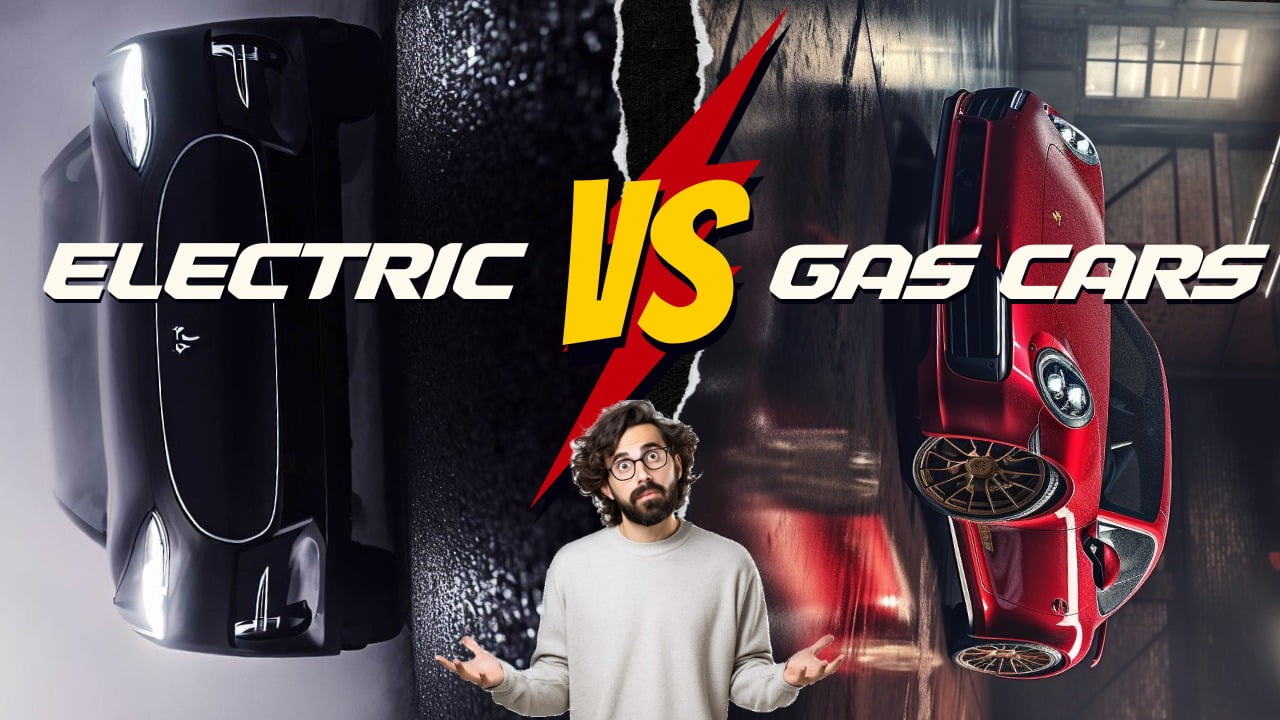
As we stand on the brink of a revolution in the automotive industry, one question is on everyone’s mind: electric or gas cars – which is better? This question isn’t just a matter of personal preference or financial considerations. It’s a question that impacts our environment, our economy, and our future. This blog post aims to shed light on this debate by comparing the two on various parameters.
Understanding Electric and Gas Cars
Before we delve into the comparison, let’s understand what electric and gas cars are. Electric cars, as the name suggests, run on electricity. They are powered by one or more electric motors, using energy stored in rechargeable batteries. On the other hand, gas cars, also known as internal combustion engine (ICE) cars, run on gasoline or diesel. They burn the fuel inside the engine to create heat, which then powers the car.
The fundamental difference between these two types of vehicles lies in their power source and the way they use it. This difference leads to several other disparities, including their impact on the environment, their performance, and their cost.
Electric vs Gas Cars: The Environmental Impact
One of the main reasons for the shift towards electric cars is their environmental friendliness. Unlike gas cars, electric cars produce zero tailpipe emissions, significantly reducing air pollution. This is particularly beneficial in urban areas, where traffic congestion leads to high levels of air pollution.
However, it’s essential to consider the source of electricity. If it comes from coal-fired power plants, the environmental benefits decrease. Fortunately, the energy landscape is also changing, with renewable sources like wind and solar becoming more prevalent. As the electricity grid becomes greener, so do electric cars.
Cost Comparison
When it comes to cost, electric cars have traditionally been more expensive than their gas counterparts. The high upfront cost is mainly due to the price of batteries. However, the gap is closing fast. Battery prices have been falling, and government incentives also help lower the cost of electric vehicles.
Moreover, the cost of charging an electric car is generally lower than the cost of gasoline, leading to savings in the long run. Electric cars also have fewer moving parts, which means less maintenance and additional cost savings.
Performance and Maintenance
In terms of performance, electric cars have a lot to offer. They provide smooth and silent operation, which contributes to a comfortable driving experience. Electric cars also have quick acceleration thanks to the instant torque provided by electric motors.
However, gas cars currently have a longer range and shorter refuelling time. The network of gas stations is also much more extensive than charging stations, although this is changing with the expansion of charging infrastructure.
In terms of maintenance, electric cars require less than gas cars. They don’t need oil changes, for example, and have fewer moving parts that could break or wear out. However, the battery pack, the most expensive part of an electric car, may need to be replaced after several years, which could be a significant expense.
The Future of Electric and Gas Cars
With advancements in technology and increasing environmental concerns, the future seems to be leaning towards electric cars. Battery technology is improving, charging infrastructure is expanding, and more and more automakers are investing in electric vehicle development.
However, gas cars won’t disappear overnight. They still dominate the global car market, and in some regions and applications, they may continue to be a better option for some time. Hybrid cars, which combine the benefits of both electric and gas cars, are also a viable option, offering better fuel efficiency than traditional gas cars without the range anxiety of electric cars.
Conclusion
The debate between electric and gas cars is complex and multifaceted. While electric cars are the future, gas cars still hold their ground in certain aspects. As consumers, it’s crucial to make informed decisions based on individual needs and circumstances. It’s not just about choosing a car; it’s about choosing a path towards a sustainable future.
